Understand the audience
Identify the offer, users and questions before writing.

I plan and create website content around the offer, audience, user journey and search intent, so design and development start with clearer information instead of placeholder copy.

Clear copy and content hierarchy are easier to assess on real pages than on placeholder wireframes.
Useful content explains the offer, answers objections and moves the reader naturally towards a decision.
Clarify who the service helps, the business problem and the promise you can support.
Give home, service, proof and FAQ sections distinct roles; avoid repeating the same copy.
Connect headings, proof and CTAs so visitors know what to ask or do next.
Better-structured information can reduce questions and help visitors self-qualify.
The final scope follows your actual goals. Here are the practical parts we can work through together.
Identify the offer, users and questions before writing.
Define priority pages, headings, themes and content order.
Shape useful service explanations and direct next steps.
Improve the structure using feedback and search context.
Published site examples demonstrate clear service navigation and content structure. They are not presented as verified copywriting-only engagements.
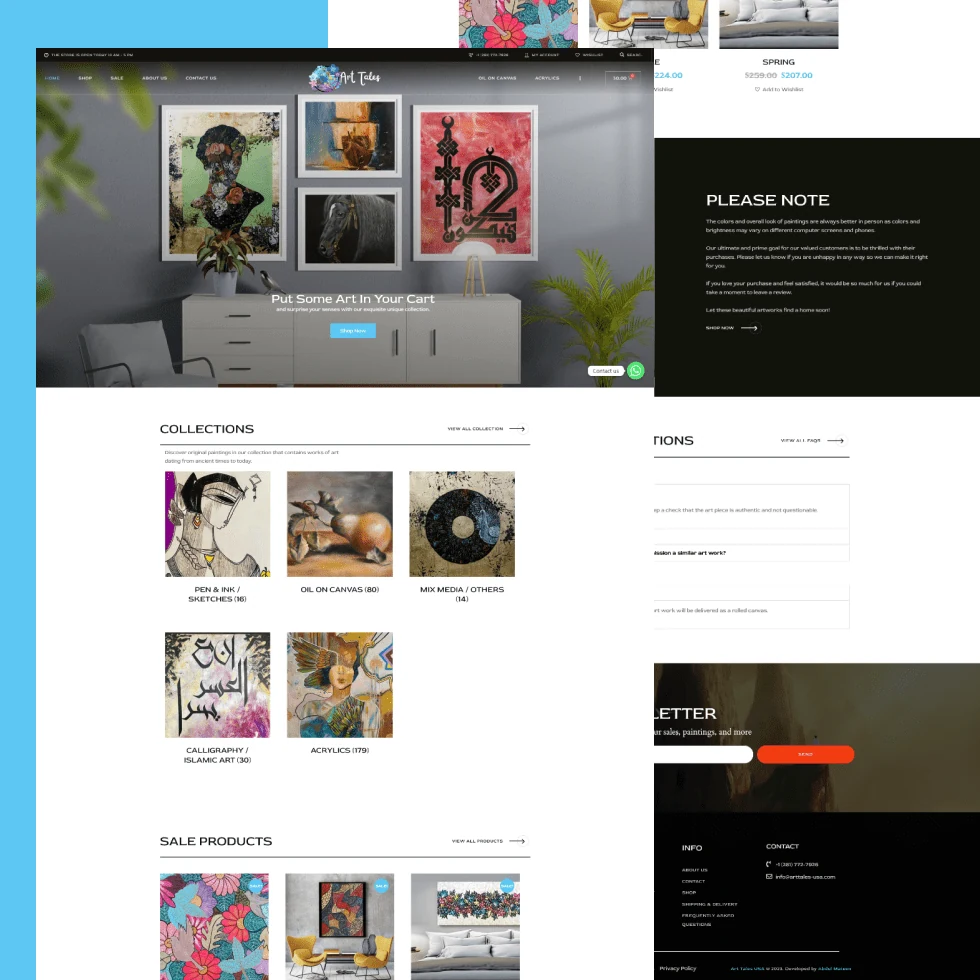
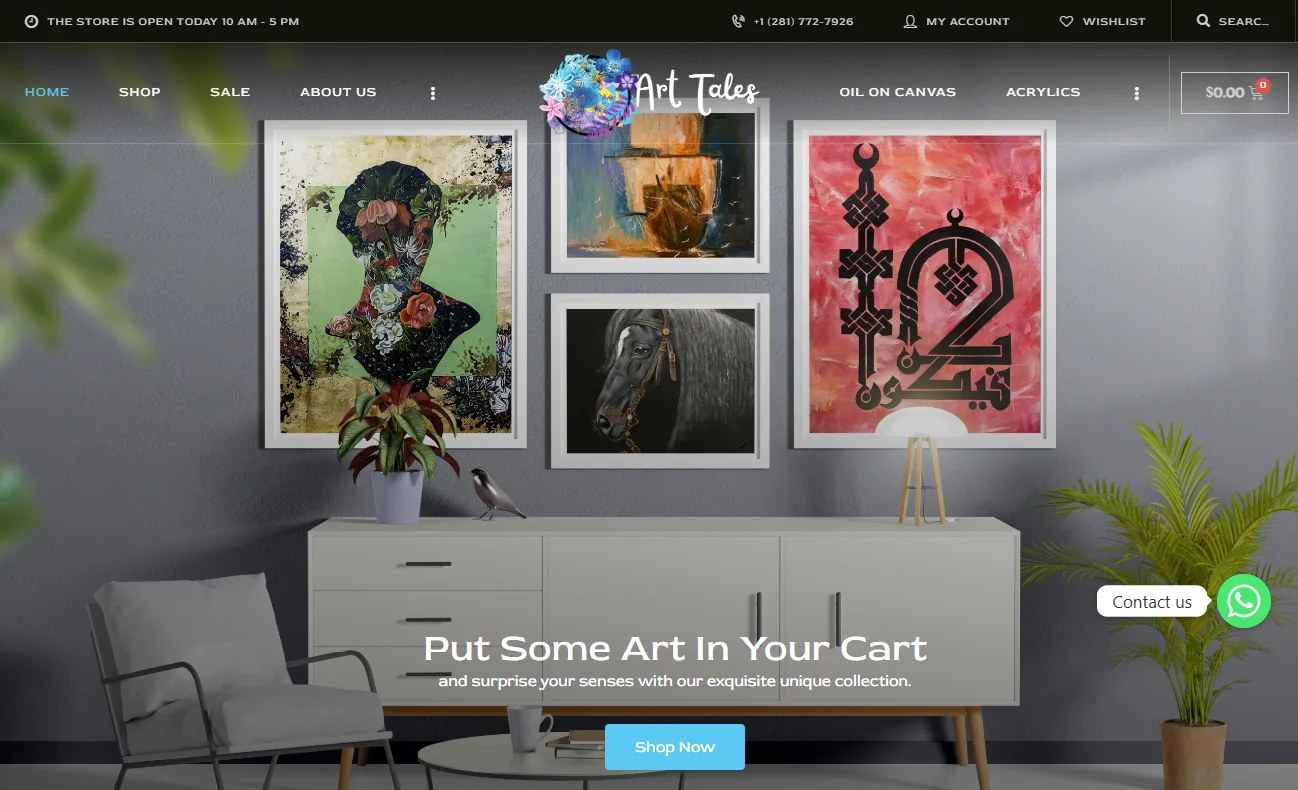
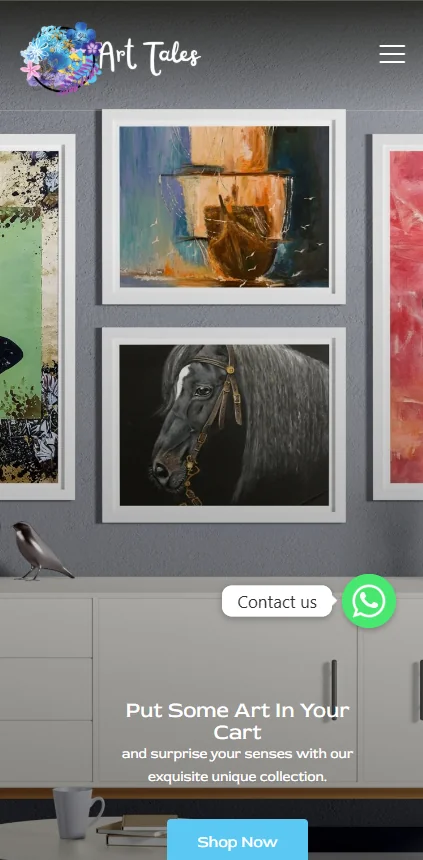
Visual content presented with clear collection discovery.
Explore actual work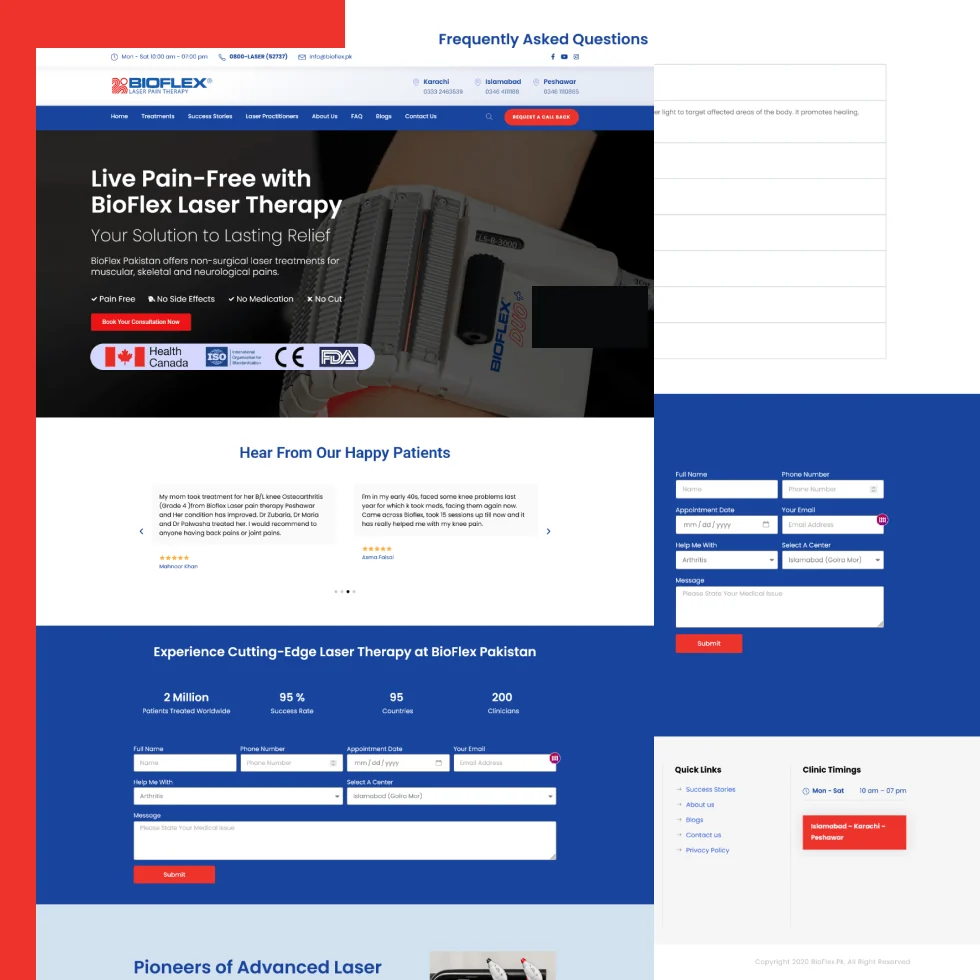
Service explanations and patient enquiry pathways.
Explore actual work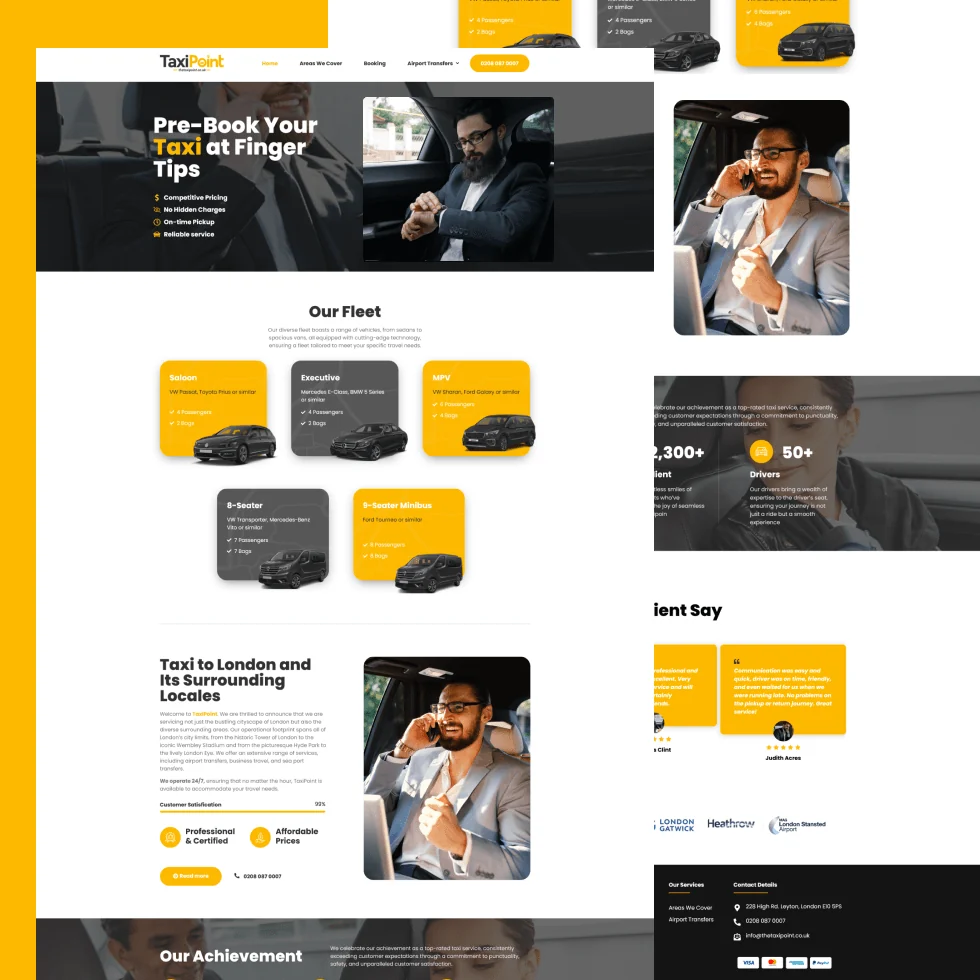
Visitor-focused navigation and an easy-to-understand booking route.
Explore actual workFour stages connect research, page planning, copy hierarchy and search intent, so design starts with useful content instead of placeholder text.
Understand the offer, audience, objections, proof and the business knowledge already available.
Decide which pages are needed, what each page should achieve and how the visitor moves between them.
Create headings, body copy, proof, objections and calls to action around the page purpose.
Refine readability, internal links and SEO themes, then hand over content ready for design or publishing.
Share the offer, current website and any rough notes you already have. I will help define what needs rewriting, what needs planning and what can stay.
From rough business knowledge to website-ready content.
 DIRECT COLLABORATION Abdul Mateen
I connect page content to the actual website layout and user journey so the copy works on a real screen, not just in a document.
Selected feedback reflecting the collaborative process behind turning rough requirements into clear, useful digital work.
“A thoroughly Professional & Committed Individual. He developed Website for our Department, Irrigation Secretariat Government of Punjab & it had been a great experience working with him. Highly Recommended 👍 https://irrigationsouthpunjab.gop.pk/”View on Google↗
“Abdul is such a nice person to have around. He is not only a great colleague but also a very good Web Designer with many years of valuable experience. He is very creative, hands-on, and organized. He is the guy to go to when you need help with a UI Design for a website or a mobile app and is always open to discuss ideas and suggestions.”View on LinkedIn↗
“Abdul has been leading my web development team very diligently and has always gone the extra mile to deliver projects for our clients. Apart from his exceptional WordPress and web development skills, he also has good project management skills which I believe are rare in resources like him. I'd definitely recommend him if you are looking for someone to enhance your website experience.”View on LinkedIn↗
“Mr. Abdul Mateen was recommended to us by a family member and their recommendation was worth it as he proved to be a real professional in what ever he did. Our art website which is an E Art Gallery in USA Is easy to access, speedy and stylish. He has solutions for the problems, better options and possibilities, delivers updates in a very understandable and easy way.”View on LinkedIn↗
“Great working with Abdul, will be in contact shortly to discuss more opportunities!”View on Upwork↗
“It’s great working with Abdul. I’m from Australia, Abdul is currently building my construction site. The work is amazing and more importantly, the communication is flawless. Very highly recommended.”View on Facebook↗
“Abdul Mateen is a top-notch website developer. He created a perfect portfolio website for me, even better than I explained. He has excellent communication skills and is always available to discuss the project. I would highly recommend him.”View on LinkedIn↗
“Sets well-thought-out objectives and seeks to attain them on a constant basis. Is a constructive communicator capable of discussing tough subjects effectively and to the point. Abdul Mateen is a fantastic person both socially and professionally! His work far exceeded my expectations.”View on Google↗
“Great working with Abdul, will be in contact shortly to discuss more opportunities!”View on Upwork↗
“Fantastic work. I honestly didn't know what I wanted going into this, I'm going to be proud to show. He was friendly, responsive, and easy to deal with. He went beyond my expectations. Abdul Mateen is great at what he does, I strongly recommend working with him, I know that I will again. If you are looking for quality work with amazing designer then look no further!”View on Facebook↗
“I hired Abdul Mateen from #Pakistan_Freelancers page. He did a great job. He was very patient as the project took a little longer but he never refuses to make changes, the client asked for. Excellent service, would highly recommend and will use again.”View on Facebook↗
“It has been a pleasure working with Abdul Mateen as he is a professional & creative web designer. I appreciate his dedication to the projects and he always ensures delivery as per your expectations.”View on LinkedIn↗
“Abdul has provided quality UI/UX and web designs in a timely and responsive manner. He is a joy to work with.”View on LinkedIn↗
“We got our business's branding [Re-designing] done by Abdul Mateen, our aim was to get something unique, simple & classy. He delivered 5 concepts out of which I was instantly selected and we worked on it with the rest of the packaging design. Highly recommended, he delivered quality work within reasonable time.”View on Facebook↗
“I had a great learning and working experience with Abdul Mateen, who is both a proficient designer and developer with a great eye for design. I've been able to learn a lot from him and would highly recommend him to anyone who wants to learn WordPress and graphic design, or if you are looking for an aesthetically pleasing professional website.”View on LinkedIn↗
“Had a great time with the experienced and professional mentor. Also an inspirational personality for me both in terms of learning and teaching. It’ll be pleasure to work with you again 😊. Highly recommended 🎥.”View on LinkedIn↗
“Amazing work ❤️ Mateen was fast and efficient in his work, He is responsive and cooperates with clients. Highly recommended.”View on Google↗
“Abdul Mateen is without a doubt the most talented web designer I've ever met. He's a consummate professional. His communication abilities are also exceptional. If you ask me which designer I should choose, Abdul Mateen is at the top of my list!”View on LinkedIn↗
“Mateen is an expert in UI/UX Design with many years of experience. He is able to grasp the concept and client's expectations quickly. An approachable and optimistic person. Definitely someone I love to work with!”View on LinkedIn↗
“It has been a pleasure to get to know Abdul on a professional level from one designer to another. He has a great eye for visual design and developing websites. Abdul is persistent, always curious to learn more, and has a breadth of work available.”View on LinkedIn↗
“I was under Abdul Mateen's mentorship for Front-End Web Development with WordPress, during that time I learnt a lot from him in very short time. He is such an inspiring person and his way of teaching is exceptional, he always comes up with different methodologies of teaching if the pupil is not understanding the topic. I would highly recommend him.”View on Google↗
“This was totally fantastic to work with Mateen. Created an absolutely amazing website and visiting card for me. I had lots of requests for him to make changes and edits and he did all of this without problem. I am very happy with the completed product. He continued to provide assistance to me after the website was completed and I am very appreciative of all his help.”View on Google↗
“I had such an amazing experience with Abdul mateen ... very professional and committed to work .. highly recommended”View on Facebook↗
“I'm from Bahawalpur and I had a great experience working with Abdul Mateen on our website onlinesconsultants.com - We were impressed with the modern and professional look of the website. He is highly recommended to anyone who needs his services. Thank you, Mateen!”View on Facebook↗
“Abdul's work is really awesome. His designs are having details to color combinations and everything he make is fully lively.....! I will 110% recommend Abdul, if any one needs design work.”View on Facebook↗
“I was fortunate enough to be mentored by Abdul Mateen during my time at Hyperapps and he was instrumental in overall growth as a project manager and Lead Designer. Abdul Mateen is a great listener and truly values the diversity of perspectives. He is incredibly knowledgeable in design principles and carries an honest/candid approach to providing technical feedback. I consider him a thought leader and have no doubt that he will be an invaluable asset to any team.”View on LinkedIn↗
This service is specifically for website messaging, page structure, conversion copy and SEO-oriented content planning rather than ongoing social media content management.
It can include offer clarification, sitemap and page planning, section hierarchy, service-page messaging, headings, calls to action, proof placement and an SEO-focused topic roadmap.
Yes. Copy creation or rewriting can be included when the project needs more than structure and planning.
No. This service is focused on website messaging, conversion copy, service pages, landing pages and SEO-oriented website content rather than ongoing social media posting.
Yes. Planning the content before redesign often makes the UI/UX and development process clearer because each page has a defined purpose.
Yes. Page intent, keyword themes, internal links and useful topic planning can support the wider SEO strategy while keeping the writing focused on real users. For a practical starting point, read our SEO title and meta description examples.
Share the goal, current website and what you want to improve. I’ll review it personally and recommend the clearest next step.