Page structure
Plan the core pages, content hierarchy and reusable sections.

My WordPress development services combine responsive design, Elementor or custom styling, practical content management, performance discipline and SEO-ready structure around the way your business actually needs to use the website.
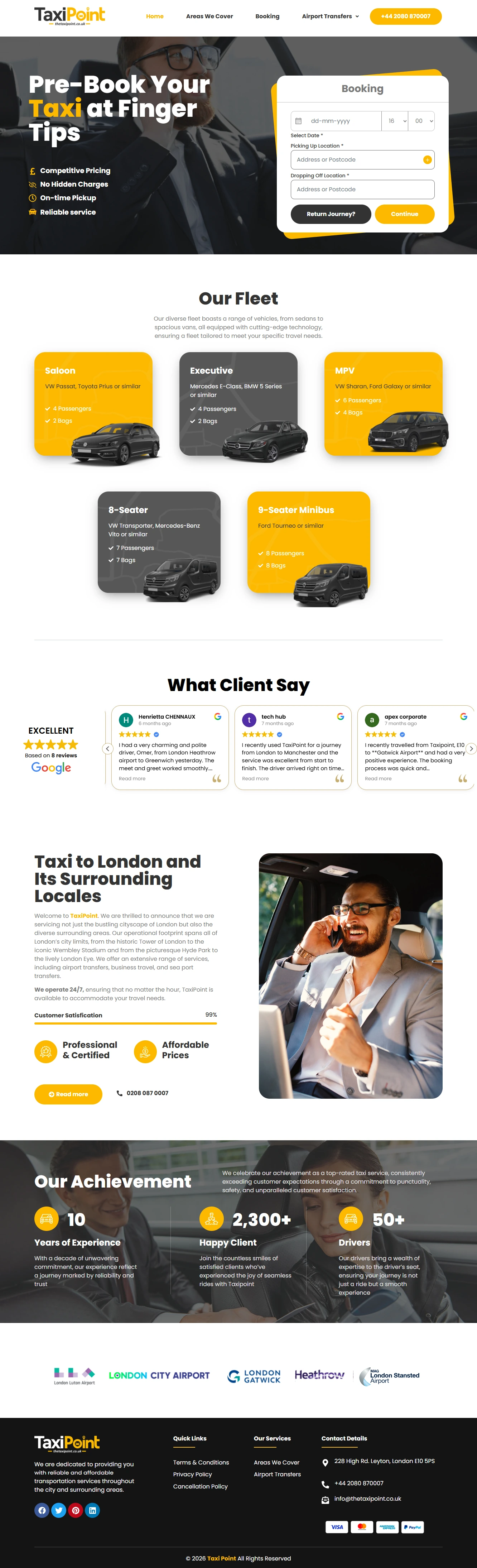
A manageable WordPress website needs a clear front end and a straightforward editor workflow.
WordPress works best when the page system, editor experience and front-end performance are planned together instead of stacking plugins on top of an unclear structure.
Define reusable page types, content ownership and the actions visitors need to take.
Use Elementor Pro or custom styling to create reusable sections without sacrificing responsive consistency.
Choose plugins, images and integrations carefully so the CMS remains practical to update and maintain.
The goal is not just an editable website. It is a manageable system that still feels intentional on the front end.
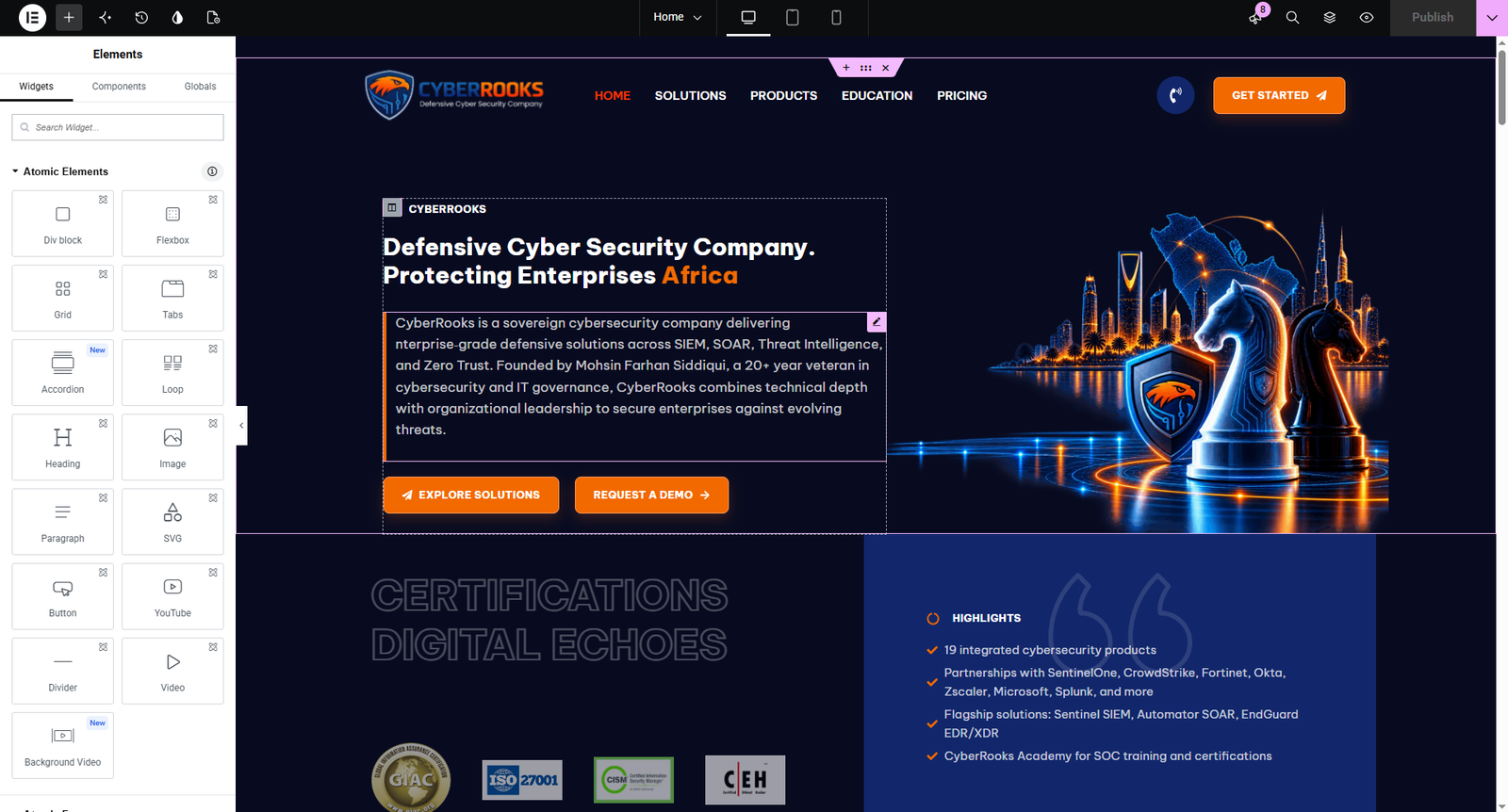

The final scope follows your actual goals. Here are the practical parts we can work through together.
Plan the core pages, content hierarchy and reusable sections.
Build the agreed pages with suitable CMS tools and clean styling.
Check image handling, mobile layouts and unnecessary template weight.
Test the live experience and explain how routine updates work.
These are published website projects from my portfolio. They show navigation, responsive presentation and content structure—not claims that every project uses WordPress.
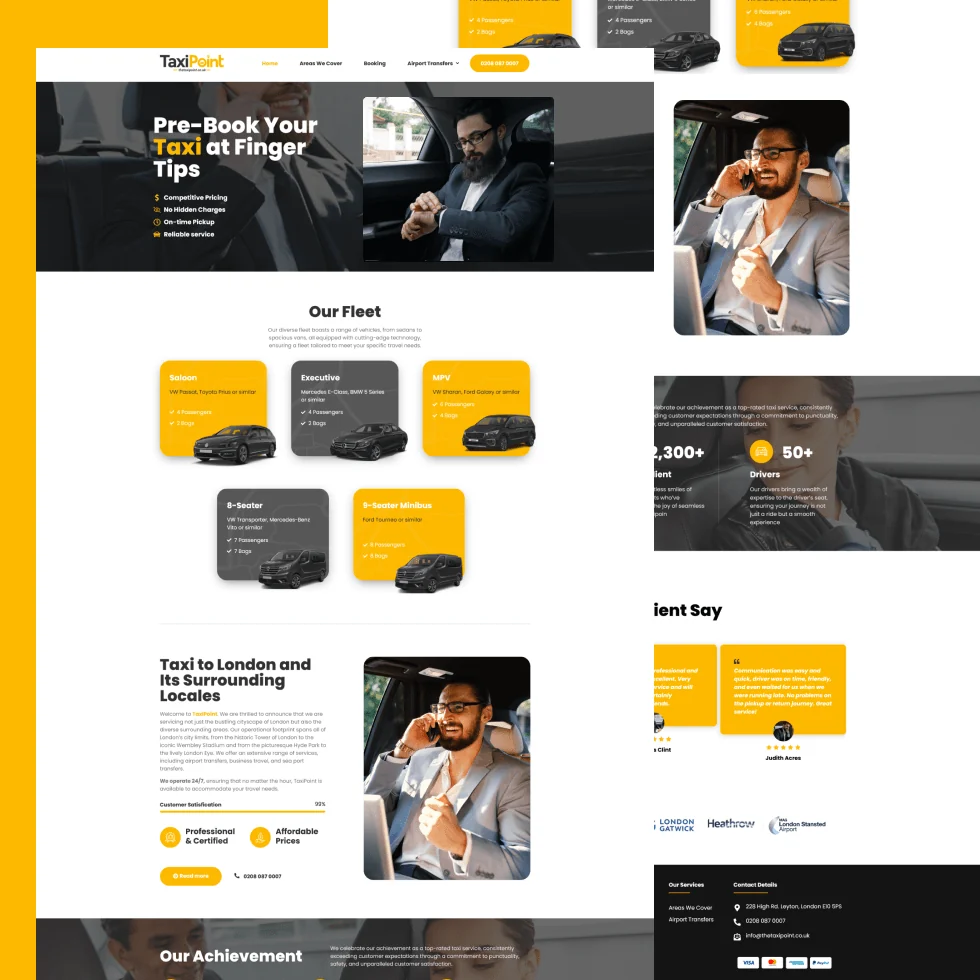
Visitor-focused navigation and an easy-to-understand booking route.
Explore actual work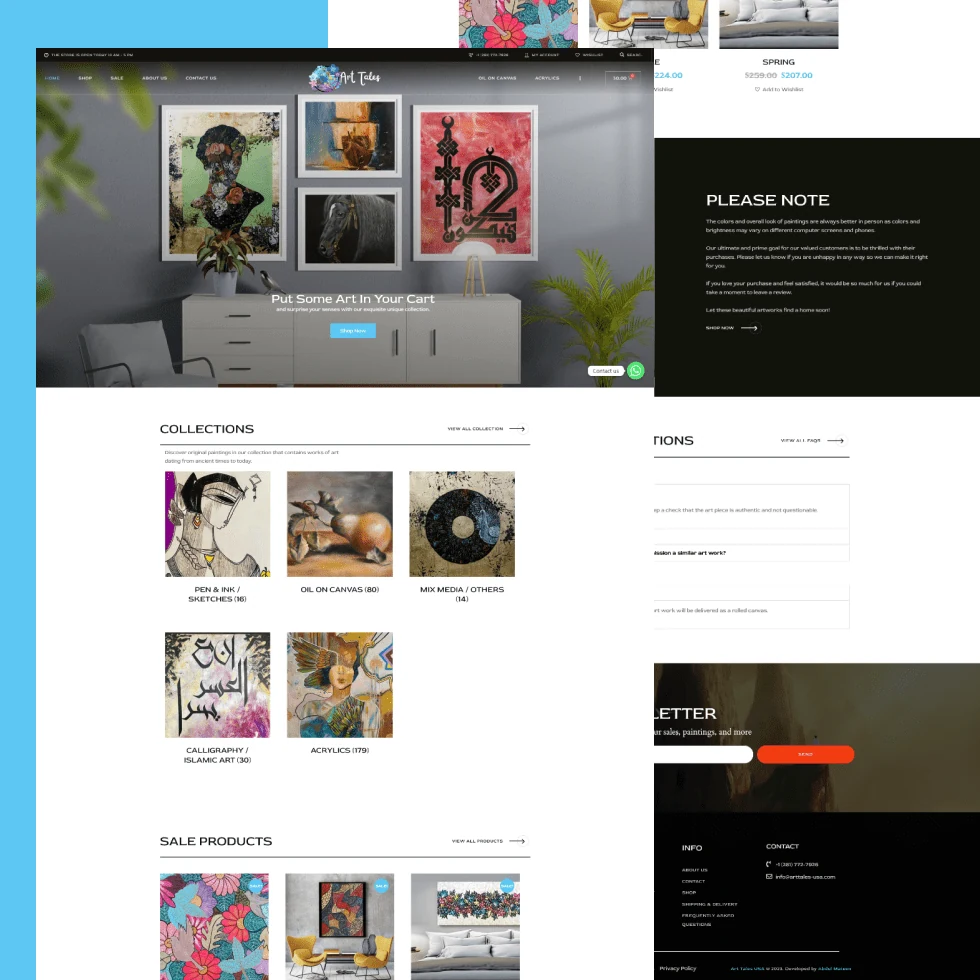
Visual content presented with clear collection discovery.
Explore actual work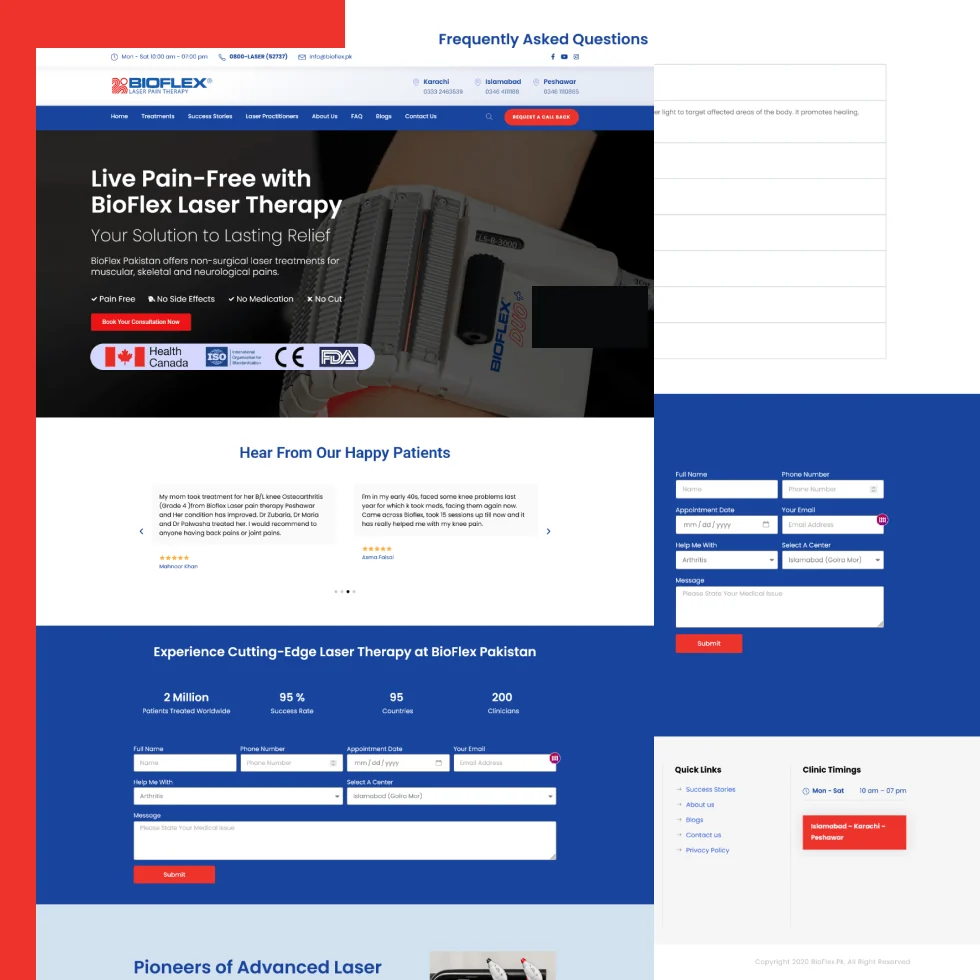
Service explanations and patient enquiry pathways.
Explore actual workA strong WordPress build gives the client editing flexibility without turning the visitor experience into a collection of disconnected widgets.
Too many widgets, inconsistent spacing, unclear page structure and edits that become harder over time.
Clear page patterns, responsive components, purposeful plugins and an editor workflow the team can understand.
Four visible stages keep page structure, design, CMS implementation and launch quality connected so the site is easier to manage after delivery.
Understand the website goal, content, editor needs, integrations and the action visitors need to take.
Turn the requirements into page templates, content hierarchy and repeatable sections before development begins.
Build the responsive interface with WordPress, Elementor Pro, WooCommerce or custom styling where the project requires it.
Check responsiveness, forms, image handling, performance and SEO essentials before a practical client handover.
The right setup depends on the business, the content your team edits and the functionality visitors actually need.
Prioritize content structure, responsive templates and manageable publishing before extra plugins.
Audit plugins, page templates, SEO URLs, backups and enquiry forms before changing the theme or layout.
Document product types, checkout requirements, integrations and administration before the build.
Guidance for planning only. Your choice is not submitted or stored, and it does not create an enquiry.
Share the current website, business goal, content requirements and what your team needs to edit. I will recommend the clearest build route before unnecessary plugins or features are added.
A flexible CMS route planned around the visitor and the person who will manage the site.
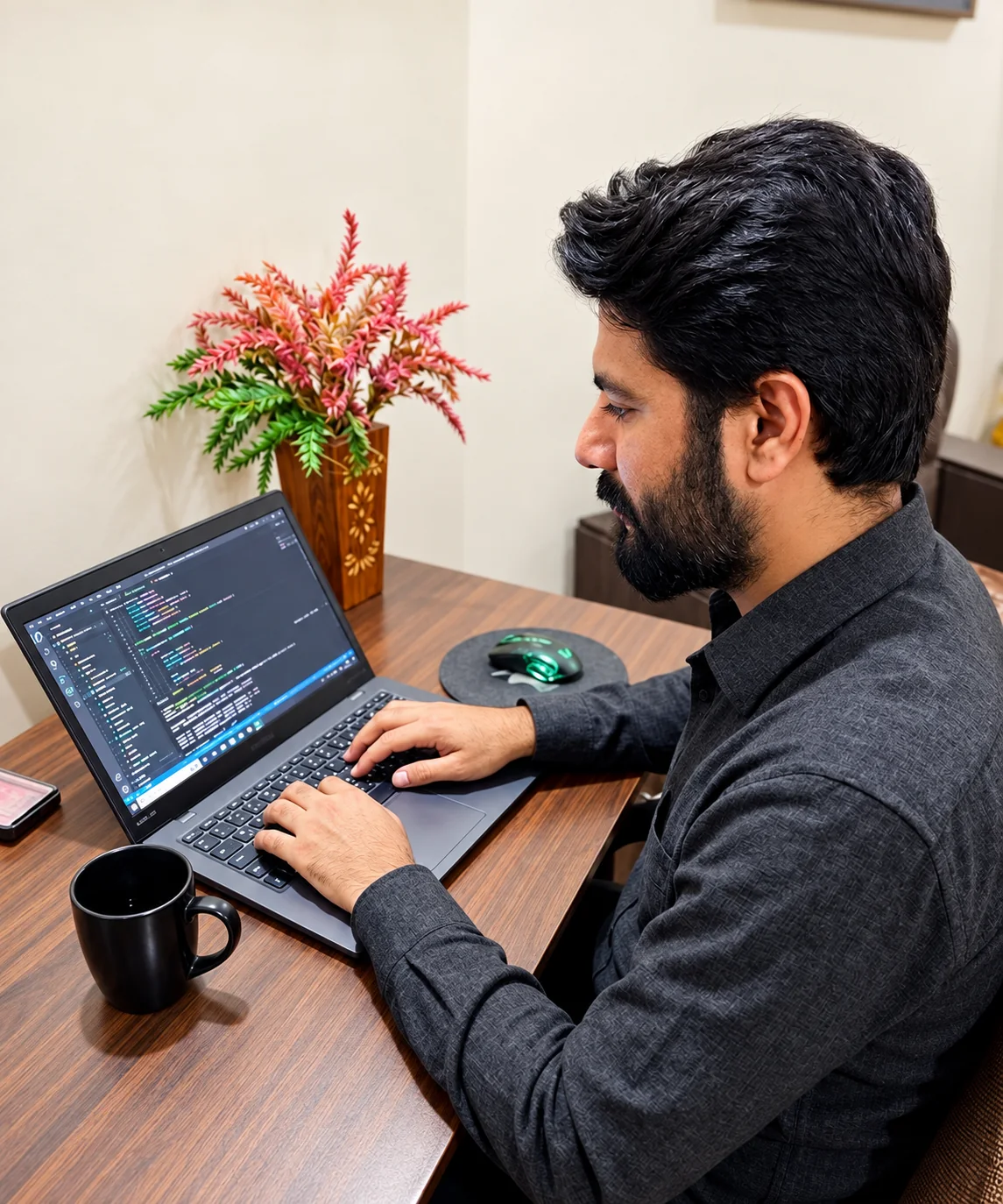 DIRECT COLLABORATION Abdul Mateen
I work directly on the page design and development. The goal is a website your visitors can use and your team can update without guesswork.
Selected client feedback on website development, WordPress, responsiveness, communication and project delivery.
“A thoroughly Professional & Committed Individual. He developed Website for our Department, Irrigation Secretariat Government of Punjab & it had been a great experience working with him. Highly Recommended 👍 https://irrigationsouthpunjab.gop.pk/”View on Google↗
“Abdul is such a nice person to have around. He is not only a great colleague but also a very good Web Designer with many years of valuable experience. He is very creative, hands-on, and organized. He is the guy to go to when you need help with a UI Design for a website or a mobile app and is always open to discuss ideas and suggestions.”View on LinkedIn↗
“Abdul has been leading my web development team very diligently and has always gone the extra mile to deliver projects for our clients. Apart from his exceptional WordPress and web development skills, he also has good project management skills which I believe are rare in resources like him. I'd definitely recommend him if you are looking for someone to enhance your website experience.”View on LinkedIn↗
“Mr. Abdul Mateen was recommended to us by a family member and their recommendation was worth it as he proved to be a real professional in what ever he did. Our art website which is an E Art Gallery in USA Is easy to access, speedy and stylish. He has solutions for the problems, better options and possibilities, delivers updates in a very understandable and easy way.”View on LinkedIn↗
“Great working with Abdul, will be in contact shortly to discuss more opportunities!”View on Upwork↗
“It’s great working with Abdul. I’m from Australia, Abdul is currently building my construction site. The work is amazing and more importantly, the communication is flawless. Very highly recommended.”View on Facebook↗
“Abdul Mateen is a top-notch website developer. He created a perfect portfolio website for me, even better than I explained. He has excellent communication skills and is always available to discuss the project. I would highly recommend him.”View on LinkedIn↗
“Sets well-thought-out objectives and seeks to attain them on a constant basis. Is a constructive communicator capable of discussing tough subjects effectively and to the point. Abdul Mateen is a fantastic person both socially and professionally! His work far exceeded my expectations.”View on Google↗
“Great working with Abdul, will be in contact shortly to discuss more opportunities!”View on Upwork↗
“Fantastic work. I honestly didn't know what I wanted going into this, I'm going to be proud to show. He was friendly, responsive, and easy to deal with. He went beyond my expectations. Abdul Mateen is great at what he does, I strongly recommend working with him, I know that I will again. If you are looking for quality work with amazing designer then look no further!”View on Facebook↗
“I hired Abdul Mateen from #Pakistan_Freelancers page. He did a great job. He was very patient as the project took a little longer but he never refuses to make changes, the client asked for. Excellent service, would highly recommend and will use again.”View on Facebook↗
“It has been a pleasure working with Abdul Mateen as he is a professional & creative web designer. I appreciate his dedication to the projects and he always ensures delivery as per your expectations.”View on LinkedIn↗
“Abdul has provided quality UI/UX and web designs in a timely and responsive manner. He is a joy to work with.”View on LinkedIn↗
“We got our business's branding [Re-designing] done by Abdul Mateen, our aim was to get something unique, simple & classy. He delivered 5 concepts out of which I was instantly selected and we worked on it with the rest of the packaging design. Highly recommended, he delivered quality work within reasonable time.”View on Facebook↗
“I had a great learning and working experience with Abdul Mateen, who is both a proficient designer and developer with a great eye for design. I've been able to learn a lot from him and would highly recommend him to anyone who wants to learn WordPress and graphic design, or if you are looking for an aesthetically pleasing professional website.”View on LinkedIn↗
“Had a great time with the experienced and professional mentor. Also an inspirational personality for me both in terms of learning and teaching. It’ll be pleasure to work with you again 😊. Highly recommended 🎥.”View on LinkedIn↗
“Amazing work ❤️ Mateen was fast and efficient in his work, He is responsive and cooperates with clients. Highly recommended.”View on Google↗
“Abdul Mateen is without a doubt the most talented web designer I've ever met. He's a consummate professional. His communication abilities are also exceptional. If you ask me which designer I should choose, Abdul Mateen is at the top of my list!”View on LinkedIn↗
“Mateen is an expert in UI/UX Design with many years of experience. He is able to grasp the concept and client's expectations quickly. An approachable and optimistic person. Definitely someone I love to work with!”View on LinkedIn↗
“It has been a pleasure to get to know Abdul on a professional level from one designer to another. He has a great eye for visual design and developing websites. Abdul is persistent, always curious to learn more, and has a breadth of work available.”View on LinkedIn↗
“I was under Abdul Mateen's mentorship for Front-End Web Development with WordPress, during that time I learnt a lot from him in very short time. He is such an inspiring person and his way of teaching is exceptional, he always comes up with different methodologies of teaching if the pupil is not understanding the topic. I would highly recommend him.”View on Google↗
“This was totally fantastic to work with Mateen. Created an absolutely amazing website and visiting card for me. I had lots of requests for him to make changes and edits and he did all of this without problem. I am very happy with the completed product. He continued to provide assistance to me after the website was completed and I am very appreciative of all his help.”View on Google↗
“I had such an amazing experience with Abdul mateen ... very professional and committed to work .. highly recommended”View on Facebook↗
“I'm from Bahawalpur and I had a great experience working with Abdul Mateen on our website onlinesconsultants.com - We were impressed with the modern and professional look of the website. He is highly recommended to anyone who needs his services. Thank you, Mateen!”View on Facebook↗
“Abdul's work is really awesome. His designs are having details to color combinations and everything he make is fully lively.....! I will 110% recommend Abdul, if any one needs design work.”View on Facebook↗
“I was fortunate enough to be mentored by Abdul Mateen during my time at Hyperapps and he was instrumental in overall growth as a project manager and Lead Designer. Abdul Mateen is a great listener and truly values the diversity of perspectives. He is incredibly knowledgeable in design principles and carries an honest/candid approach to providing technical feedback. I consider him a thought leader and have no doubt that he will be an invaluable asset to any team.”View on LinkedIn↗
The best route depends on the current site, who will manage it, required integrations and whether the project needs a new build, redesign or WooCommerce setup.
Yes. A WordPress project can include page planning, responsive UI, Elementor or custom theme styling, forms, content setup, technical SEO foundations, performance checks and launch support. If you are still choosing the build route, read my WordPress vs custom website guide. To understand the factors behind project budgets, see the business website cost guide.
Yes. Elementor Pro is a core build route when the project benefits from flexible editing, reusable templates and a visual CMS workflow. Explore Elementor Pro ↗ (Affiliate link; I may earn a commission at no additional cost to you.)
Yes. Existing WordPress websites can be redesigned without rebuilding everything blindly. The scope can focus on structure, responsive UI, page templates, performance, content clarity and conversion paths.
Yes. WooCommerce can be used for suitable e-commerce projects where WordPress is the right platform for products, content management and ongoing store administration.
Yes. I can improve image handling, template weight, plugin choices, responsive behavior, internal structure, Core Web Vitals and the technical foundations that support on-page SEO.
Outline what your visitors need, which pages your team will update and which integrations matter before we choose the build approach.
Share the goal, current website and what you want to improve. I’ll review it personally and recommend the clearest next step.